
Prescott Valley vs. Yavapai County: How the 2024 Building Codes Differ
Yavapai County and the City of Prescott already review projects under the 2024 IRC and IBC, while the Town of Prescott Valley is preparing its own transition. Prescott Valley is expected to consider the new codes in August and September 2026, with implementation likely around March 2027 if approved. Its proposed local amendments differ from Yavapai County requirements in several important areas, including snow loads, foundations, plumbing, and pool barriers.

Two construction projects can be located only a few miles apart and still have to meet different building requirements. That’s the situation taking shape between unincorporated Yavapai County and the Town of Prescott Valley.
Yavapai County has already adopted the 2024 code cycle. Prescott Valley is preparing to adopt many of the same model codes, but with its own local amendments. As a result, plans prepared for a project in Yavapai County may not meet every requirement proposed by the Town.
Differences involving structural loads, foundations, carports, plumbing, utility piping, and pool barriers can affect designs, materials, calculations, and plan review. Understanding which local amendments apply before plans are finalized can help project teams avoid unnecessary revisions and resubmittals.
What Is Changing in Prescott Valley?
Prescott Valley is preparing to move to the 2024 building code cycle, but the proposed codes haven’t been adopted yet. The first Town Council reading is expected on August 13, 2026, followed by a second reading on September 17, 2026.
If approved, the new codes would likely take effect approximately six months later, around March 2027. However, the final effective date and any rules for projects submitted during the transition will depend on the ordinance adopted by the Town.
Until Prescott Valley formally adopts and implements the new code cycle, projects must continue following the codes currently in effect. The proposed 2024 amendments shouldn’t be used as enforceable requirements yet.
Yavapai County and the City of Prescott are already reviewing applicable projects under the 2024 IRC and IBC, along with their own local amendments. This difference in adoption timing makes it especially important to confirm the jurisdiction and current requirements for each project before plans are finalized or submitted.
Why Local Building Code Amendments Matter
The International Code Council publishes model codes, including the International Building Code and International Residential Code. However, these codes don’t automatically become local requirements. Each city, town, and county decides whether and when to adopt a new code cycle.
When a jurisdiction adopts a model code, it can also amend individual sections. These local amendments may reflect the area’s climate, soil conditions, common construction practices, safety concerns, or existing municipal policies. This is why neighboring jurisdictions can adopt the same code cycle but enforce different requirements.
Saying that plans were “designed to the 2024 code” isn’t specific enough. Plans must meet the exact code version adopted by the jurisdiction reviewing the project, along with that jurisdiction’s local amendments.
The reviewing jurisdiction is determined by the project address. It isn’t always the nearest city or the city listed in the mailing address. Before plans are finalized, project teams should confirm whether the property falls within a city or town boundary or in an unincorporated area of the county.
Proposed IBC Differences in Prescott Valley
The proposed amendments include several differences that may affect commercial, multifamily, and other projects governed by the International Building Code. While this isn’t a complete list of every amendment, these are some of the differences most likely to influence plans, calculations, materials, and permit review.
Address Identification
Prescott Valley proposes requiring address numbers to be at least six inches high on applicable buildings. Yavapai County retains a four-inch minimum.
Although this may seem like a minor difference, it can affect exterior elevations and signage details. Address numbers must also remain clearly visible so emergency responders can identify the property quickly.
Habitable Attic Live Loads
Prescott Valley proposes a live load of 40 pounds per square foot for habitable attic space. Yavapai County uses 30 pounds per square foot.
The higher requirement may affect structural calculations, framing sizes, and material specifications. Plans prepared using Yavapai County’s criteria may need to be recalculated before they’re submitted for a Prescott Valley project.
Snow Loads
Prescott Valley proposes retaining a uniform 30-pound-per-square-foot ground and roof snow load without a reduction. Yavapai County’s snow-load requirements vary based on the project location.
Engineers and designers must use the snow-load criteria required by the jurisdiction reviewing the project. A calculation prepared for one part of the region shouldn’t be assumed to apply to a project in another jurisdiction.
Foundations and Shallow Footings
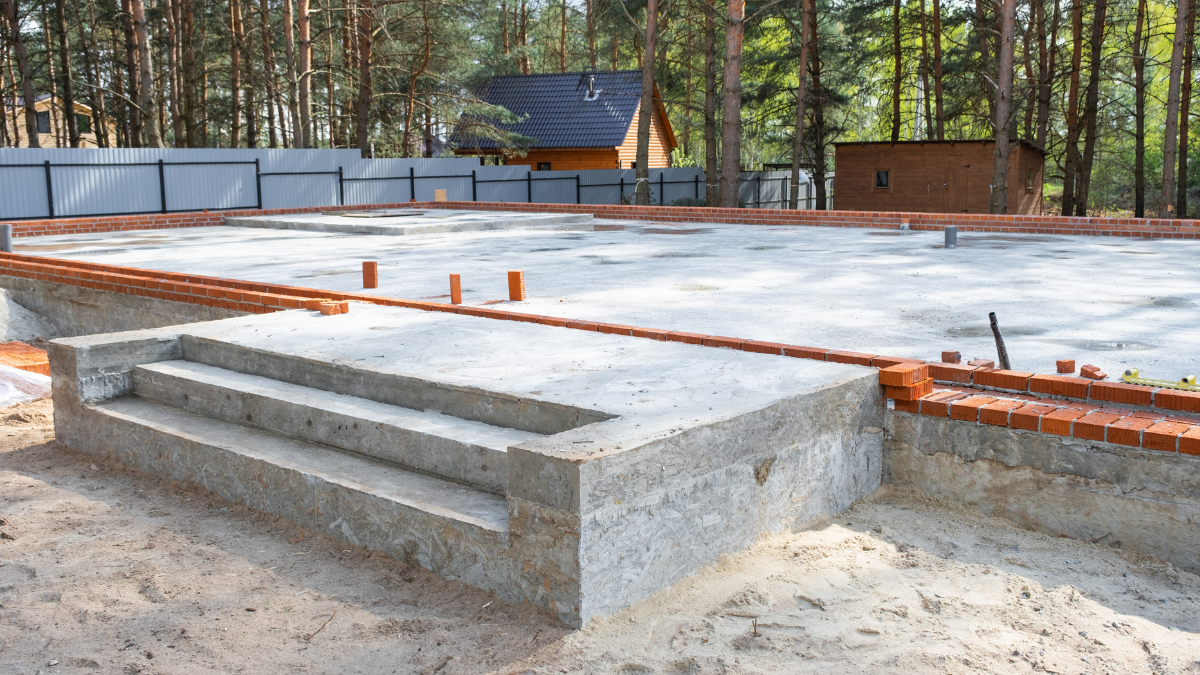
Prescott Valley proposes retaining several local foundation requirements that the Town has used since the 1990s. These provisions address:
Footing construction and depth
Minimum stem-wall height
Horizontal and vertical reinforcement
Foundation elevations
Drainage around buildings
Road ditches and culvert installation
Yavapai County generally follows the current IBC foundation provisions without these same local amendments. As a result, foundation details accepted by the County may need additional reinforcement, revised dimensions, or other changes before they can be approved in Prescott Valley.
Slabs and Light-Frame Construction
Prescott Valley also proposes removing or replacing several IBC provisions related to slabs-on-ground and conventional light-frame construction. The proposed amendments exclude certain wall-bracing methods that Yavapai County continues to allow.
Project teams should review structural plans and standard construction details before reusing them for a Prescott Valley project. A detail previously approved in Yavapai County may not meet the Town’s proposed requirements without modification.
Proposed IRC Differences for Residential Projects
Prescott Valley’s proposed amendments also include several differences that may affect single-family homes, duplexes, additions, and other residential projects covered by the International Residential Code. These changes could influence site layouts, foundation designs, mechanical plans, plumbing details, materials, and inspections.
Carport Surfaces
Prescott Valley proposes allowing gravel surfaces in carports when the carport is separated from a structure by at least three feet. Yavapai County requires five feet of separation.
This difference may affect where a carport can be placed and whether gravel can be used instead of another approved surface. Site plans and construction details should clearly show the carport’s location, surface material, and distance from nearby structures.
Residential Foundations and Stem Walls
Prescott Valley proposes detailed local reinforcement requirements for several types of residential foundations, including:
Concrete stem walls
Masonry stem walls
Continuous footings
Monolithic footings
Pier and column footings
Foundation walls
Retaining walls
Insulating concrete forms
The Town’s proposal would also remove or replace some of the standard prescriptive tables found in the IRC.
Project teams may need to use Prescott Valley’s applicable local foundation details or provide an engineered design. Foundation plans prepared for Yavapai County shouldn’t be reused in Prescott Valley without first confirming that the reinforcement, dimensions, and construction methods meet the Town’s proposed requirements.
Gas Vent Terminations
For the roof conditions identified in the proposed amendment, Prescott Valley would require gas vents to terminate at least 18 inches above the roof. Yavapai County requires 12 inches.
This difference may affect roof plans, mechanical details, vent materials, and installation requirements. Contractors should confirm the required termination height before installing the vent or preparing for inspection.
Sanitary System Testing
Prescott Valley’s proposed amendments and Yavapai County’s requirements use different testing methods for certain sanitary piping systems.
Contractors should confirm which testing method the reviewing jurisdiction requires before installation is complete. Preparing for the wrong test could result in additional work or a delayed inspection.
Pipes Through Foundation Walls
Prescott Valley’s proposal allows pipes to pass through foundation walls when an appropriately sized sleeve is installed around the pipe and the remaining space is filled with non-shrinking grout.
Yavapai County’s requirements call for the foundation-wall penetration to be designed by an architect. Depending on the jurisdiction, plans may therefore need different penetration details or additional professional design involvement.
Tracer Wire
Prescott Valley proposes requiring 14 AWG tracer wire for applicable underground water and sewer piping. Yavapai County uses 18 AWG tracer wire.
The Prescott Valley proposal also specifies tracer-wire colors based on the type of utility. These requirements can affect material orders, project specifications, and the underground utility details included in the plans. Confirming the correct wire size and color before installation can help prevent corrections during inspection.

Plumbing Code Differences
Plumbing is another area where Prescott Valley’s proposed amendments differ from Yavapai County’s requirements. These differences may affect plan details, material orders, installation methods, testing, and inspections.
Pipes Running Parallel to Footings
The jurisdictions have different requirements for piping installed parallel to footings. Plumbing layouts may need to be adjusted to maintain the required separation and protect the building’s foundation.
Support for Buried Piping
Buried piping must be supported using methods accepted by the reviewing jurisdiction. A support detail approved in Yavapai County may need to be changed before it’s used in Prescott Valley.
Tracer-Wire Size and Color
Prescott Valley proposes requiring 14 AWG tracer wire and specific colors for different underground utilities. Yavapai County uses 18 AWG wire. Contractors should confirm the required size and color before ordering materials or beginning installation.
Air Testing of Plastic Piping
The jurisdictions differ in how plastic piping may be tested. Contractors should confirm whether air testing is allowed and which testing method will be required before preparing for an inspection.
Piping for Future Fixtures
Drainage piping installed for future fixtures may need to be inspected and approved before it’s covered. Plans should clearly identify the future connection, and contractors should confirm when approval is required.
Vent Height Above the Roof
Plumbing vents must extend to the height required by the reviewing jurisdiction. Depending on the applicable amendment, that height may be measured above the roof or anticipated snow accumulation. This can affect roof plans, vent lengths, and installation details.
These requirements show why plumbing plans and standard installation details shouldn’t automatically be reused across jurisdictions. A detail accepted in Yavapai County may need to be revised before it’s submitted or installed in Prescott Valley.
Pool and Spa Barrier Requirements
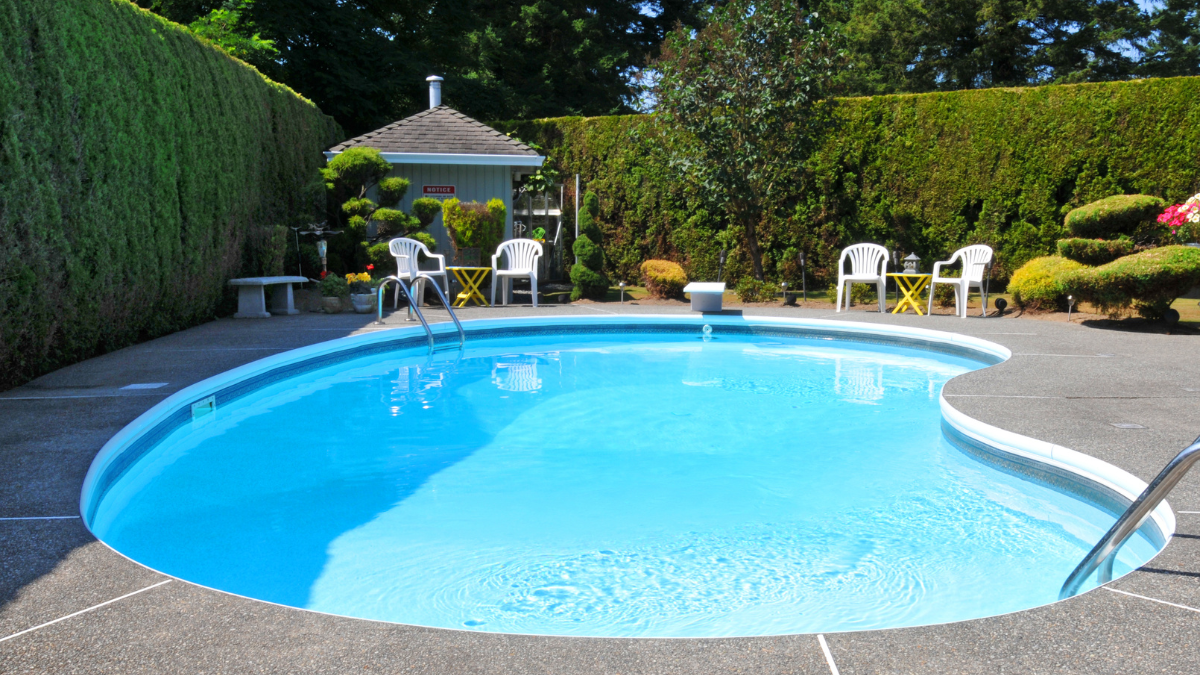
Prescott Valley’s proposed amendments include additional pool and spa barrier provisions that weren’t identified in Yavapai County’s requirements. These provisions may affect the design and placement of fences, gates, doors, and windows around residential pools and spas.
The proposal addresses the maximum size of openings in mesh fencing and adds specific requirements for double or multiple gates. It also limits openings near gate-latch mechanisms to help prevent someone from reaching through the barrier and releasing the latch.
Additional requirements would apply when a wall of the home forms part of the pool enclosure. Doors and windows providing direct access to the pool area may need approved latching or locking devices. When the residence can’t serve as part of the required enclosure, Prescott Valley proposes requiring a separate barrier at least 54 inches high.
Homeowners, pool contractors, designers, and residential builders should review these requirements early. Barrier height, gate placement, fence materials, and access from the home can affect the site plan and construction details. Identifying the correct requirements before plans are finalized can help prevent redesigns, permit corrections, and installation changes later.
Where the Jurisdictions Generally Align
No local differences were identified in the reviewed amendments for the following codes:
The 2024 International Property Maintenance Code
The 2024 International Fuel Gas Code
The 2012 International Energy Conservation Code
However, this doesn’t guarantee that every project will face identical requirements in these areas. Project-specific conditions, administrative procedures, plan-review comments, and inspection requirements may still vary by jurisdiction. Project teams should confirm the requirements that apply to the property and proposed work before submitting plans.
What These Differences Mean for Local Projects
Even small differences between local amendments can have a significant effect on a construction project. Requirements for snow loads, foundations, plumbing materials, utility details, and pool barriers can influence how plans are prepared and whether they’re approved during the first review.
Using requirements from the wrong jurisdiction can lead to:
Incorrect structural calculations
Foundation details that don’t meet local amendments
Missing architectural or engineering information
Incorrect materials or specifications
Plan-review corrections
Revised drawings
Resubmittals
Delays before permit issuance
Plans prepared for one jurisdiction shouldn’t be reused in another without first reviewing the locally adopted codes and amendments. Even when the project type and design remain the same, the requirements may not.
Moving a project a few miles can change the jurisdiction, and changing the jurisdiction can change the building requirements.
Confirming the reviewing jurisdiction early gives architects, engineers, contractors, and property owners time to address these differences before plans are finalized, materials are ordered, or a permit application is submitted.
How to Prepare for Prescott Valley’s Code Transition
Projects expected to enter plan review near Prescott Valley’s anticipated March 2027 transition may require additional preparation. The final effective date and transition rules haven’t been established, so project teams should avoid assuming that plans prepared under the current code will remain acceptable.
Before finalizing or submitting plans:
Confirm the reviewing jurisdiction for the exact project address.
Identify the code cycle currently in effect.
Review the jurisdiction’s local amendments.
Ask which code will apply if the project is submitted during the transition.
Confirm whether existing plans, calculations, or construction details need to be updated.
Coordinate with the project’s architect, engineer, or contractor before completing the documents.
Monitor Prescott Valley’s adoption timeline, final ordinance, and effective date.
Projects entering review close to the transition may need to account for either code cycle, depending on the rules adopted by the Town. Confirming these requirements early can give the project team time to make necessary changes and reduce the risk of corrections or resubmittals.
How Permit Pushers Can Help
Permit Pushers helps clients navigate local permitting requirements from the early planning stages through permit issuance. We can confirm the correct reviewing jurisdiction, identify the adopted code cycle, and review the application and documentation requirements for the proposed work.
Once the application is ready, our team can coordinate the permit submission, communicate with jurisdiction staff, track the review process, and organize responses to plan-review comments. We help keep the required information, revisions, and follow-ups moving so fewer details fall through the cracks.
Depending on the project, learn more about our Residential Permit Services, Commercial Permit Services, Plumbing Permit Services, and Permit Expediting Services.
Need help with an upcoming project? Request a free quote.
Conclusion
The 2024 IRC and IBC provide a common starting point, but the code cycle alone doesn’t determine every requirement a project must meet. Local amendments can change structural criteria, foundation details, plumbing requirements, materials, and other parts of the design.
Yavapai County already reviews projects under its adopted 2024 codes. Prescott Valley’s proposed adoption would bring the Town onto the same code cycle while introducing different requirements in several important areas.
Before plans are finalized or submitted, confirm the reviewing jurisdiction, the code cycle currently in effect, and all applicable local amendments. Addressing these requirements early can help reduce corrections, resubmittals, and delays during plan review.
Last updated July 24, 2026. Prescott Valley’s 2024 code amendments remain proposed. Dates and requirements may change before final adoption.
Frequently Asked Questions
-
Prescott Valley currently uses the 2018 building code cycle with local amendments, including the 2018 International Residential Code and International Building Code.
The proposed 2024 codes aren’t enforceable until the Town formally adopts and implements them. -
The first Town Council reading is expected on August 13, 2026, followed by a second reading on September 17, 2026.
If approved, the new codes are expected to take effect approximately six months later, around March 2027. The adopted ordinance will establish the final effective date. -
Yes. Yavapai County reviews applicable residential and commercial projects under the 2024 IRC and IBC, along with the County’s local amendments.
Plans must meet both the adopted model code and the applicable County amendments. -
Yes. The City of Prescott reviews applicable projects under the 2024 IRC and IBC with City-specific amendments.
Prescott and Prescott Valley are separate jurisdictions, so their requirements and adoption timelines shouldn’t be treated as the same. -
No. Even when jurisdictions use the same model code cycle, they can adopt different local amendments.
Prescott Valley’s proposed requirements differ from Yavapai County’s in areas such as structural loads, foundations, plumbing details, utility piping, and pool barriers. -
That will depend on the effective date and transition provisions included in Prescott Valley’s final ordinance.
Application timing, completeness, and review status may affect which code applies. Project teams should confirm the requirements with the Town before finalizing or submitting plans near the transition.