
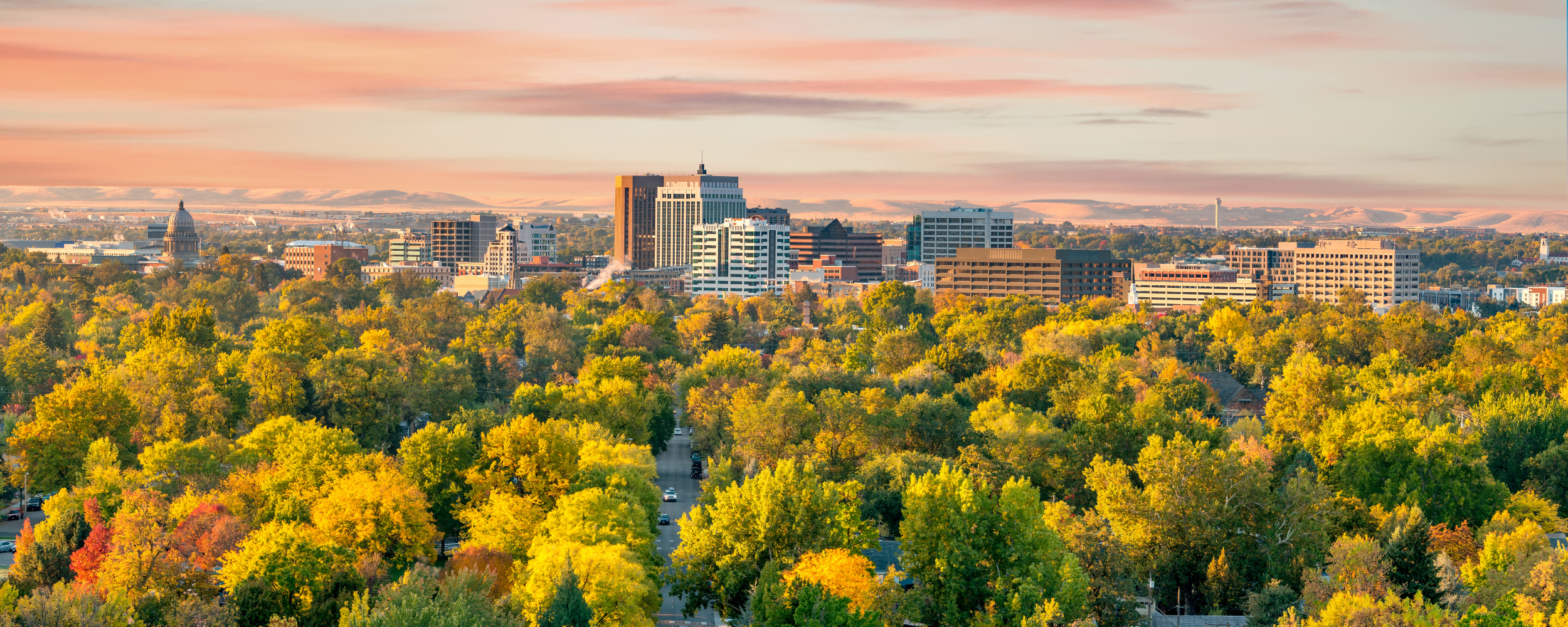
Boise, Idaho Permit Resource Center
A practical guide to permitting, zoning, and codes in Boise
Permits in Boise, Idaho
Boise is one of the fastest-growing cities in the country, and its permitting process reflects the demands of that growth. Projects within city limits are handled by the City of Boise Planning and Development Services, while unincorporated areas of Ada County fall under Ada County Development Services. Fire district approval, wastewater authorization, and transportation review from ACHD may also apply depending on the project.
Every authority has its own requirements, timelines, and submission standards. Permit Pushers coordinates applications, tracks reviews, and handles communication across all the agencies involved so projects stay on track from submission through issuance.
On this page
Permitting Authorities in Boise
Boise projects typically involve more than one authority. The right mix depends on where your project is located, what you're building, and how it interacts with public infrastructure.
-
Planning and Development Services handles building permits, planning applications, and plan review for residential and commercial construction within city limits.
Applications are submitted through the city's Accela permitting portal.
-
Boise Fire reviews fire protection systems, life safety requirements, and fire code compliance. Fire plan review is coordinated through the same Accela portal as building permits.
-
For projects outside Boise city limits, Ada County Development Services issues building permits and handles plan review for unincorporated areas of the county.
-
ACHD is a unique authority that manages local roads across Boise and the rest of Ada County. Any project that affects roadways, driveways, sidewalks, or stormwater typically requires ACHD approval in addition to city or county permits.
-
State environmental regulations may apply to projects involving air quality, wastewater, stormwater discharge, or other environmental compliance.

City of Boise Zoning Information
Before submitting a permit application, you need to confirm the property is zoned for the intended use. Boise adopted a new zoning code in 2023, with updates effective July 1, 2025.
The city has 32 zoning districts organized into broader categories including residential, mixed-use, commercial, industrial, and open land, along with overlay districts and specific plan districts.
Common districts include:
R-1 Residential: Low-density residential development, typically single-family homes.
R-2 Compact Residential: Small-lot residential with a mix of single-family homes, duplexes, triplexes, townhomes, and small apartments. Common in neighborhoods like the North End.
MX-1 through MX-5 Mixed-Use: A range of mixed-use districts supporting neighborhood activity centers, transit-oriented development, and the downtown core.
C-1 through C-3 Commercial: Commercial districts scaled from neighborhood-serving uses to regional commercial activity.
I-1 and I-2 Industrial: Districts for manufacturing, warehousing, and industrial business, with provisions to limit impacts on nearby residential areas.
Overlay Districts: Includes character, neighborhood, and design review overlays, along with sensitive lands overlays for foothills, floodplains, and wildfire risk areas.
City of Boise Building Code
Idaho building codes are adopted at the state level by the Division of Occupational and Professional Licenses, and local jurisdictions adopt those codes along with amendments that apply within their jurisdiction.
Boise currently enforces the 2018 International Building Code along with local amendments adopted by the City of Boise Planning and Development Services Department. Local amendments include Boise-specific provisions for roof snow loads, frost depth, floodplain regulations, and winter design temperatures that reflect the city's climate.
Access the City of Boise Currently Adopted Building Codes.
Construction projects in Idaho must also comply with statewide code requirements adopted by the State of Idaho.
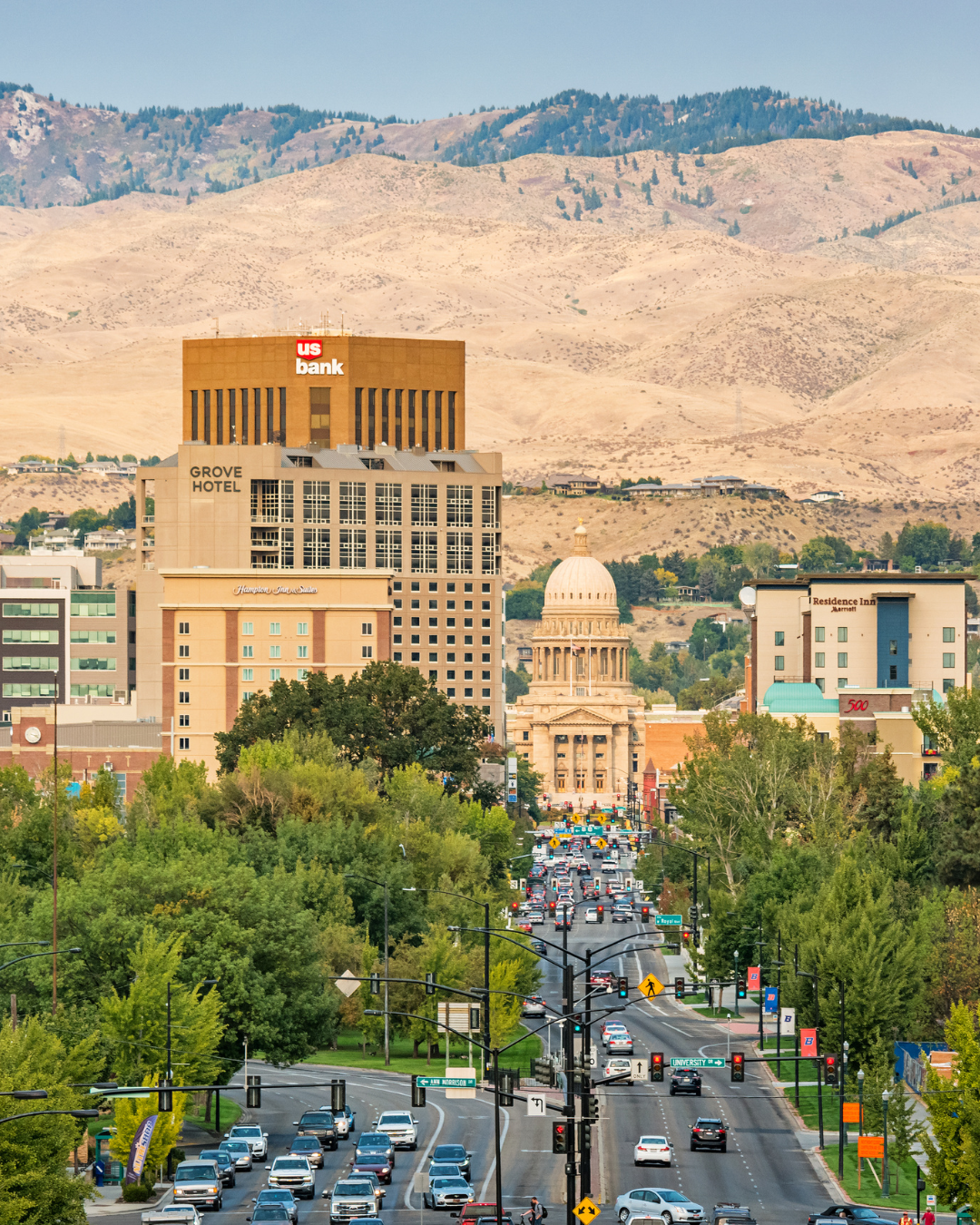
Boise Permit Approval Timeframe
Permit timelines in Boise depend on the project type, application completeness, and how many agencies are involved in review. Simple residential permits and trade permits move quickly through the Planning and Development Services portal, often within days.
Larger commercial projects and those requiring planning applications, fire review, or coordination with Ada County Highway District can take several weeks or longer.
The City of Boise publishes average review timeframes by project type, which are updated regularly and reflect current staffing and application volume. Because Boise has been one of the fastest-growing cities in the country, review queues can fluctuate based on demand.
The single biggest factor within your control is the quality of the initial submission. Complete, code-compliant plans move through the first review cycle faster and avoid the correction rounds that typically add weeks to the total timeline.
Step-by-Step: How to Get a Permit in Boise
1. Confirm zoning: Verify your property is zoned for the intended use using the City of Boise's online zoning map, or contact Planning and Development Services directly.
2. Determine your jurisdiction: Check whether your project falls within Boise city limits or unincorporated Ada County. This determines which department handles your permit and which portal you use.
3. Submit a Planning Project (when applicable): For larger or more complex projects, Boise requires a Planning Project request before the formal application. This includes a Concept Review meeting with the Development Services Team.
4. Prepare your plans: Develop construction documents that meet the 2018 International Building Code and Boise's local amendments, including snow load, frost depth, and energy code requirements.
5. Submit your application: Apply through the City of Boise Permitting and Licensing portal. Electronic plans are submitted separately through ePlanReview.
6. Plan review: Your application is reviewed by Planning and Development Services, Boise Fire, and other departments as needed. ACHD review may be required for projects affecting roadways, driveways, or stormwater.
7. Respond to comments: Address any correction comments and resubmit through the portal.
8. Permit issuance: Pay permit fees through the portal and receive your permit.
9. Begin construction: Post the permit at the job site and keep approved plans available.
10. Inspections: The city inspects work at required stages. Boise permits are valid for 180 days, and the clock resets with each passed inspection.
11. Certificate of Occupancy: Required for new commercial construction and for commercial tenants occupying a space before opening for business.
Speeding Up the Permit Process in Boise
For complex or larger projects, Boise's Planning Project request gives you a Concept Review meeting with the Development Services Team before you ever submit a formal application. Catching zoning, design, or code issues at this stage avoids full plan review cycles later.
Start with a Planning Project
Boise projects often involve the city, Boise Fire, and ACHD. Identifying which agencies need to review your project from day one, and preparing submittals that meet each agency's requirements, keeps reviews moving in parallel rather than stacking on top of each other.
Coordinate Across Agencies Early
Permit Pushers helps project teams prepare complete applications, manage submissions across the city's Permitting and Licensing portal and ePlanReview, and coordinate with all relevant agencies so projects move through review without unnecessary delays.
Boise Permit Expediting Services
Boise building permit fees are calculated based on project valuation, meaning total construction costs including materials, labor, and contractor overhead. Plan review fees are typically charged in addition to permit fees, often at 65 to 80 percent of the permit fee on commercial projects.
Boise also charges impact fees for new residential and commercial construction to offset the impact of growth on parks, fire, police, and other public services. These fees can add significantly to the total cost on larger developments.
General ranges to budget for:
Simple residential permits (water heater, HVAC swap, minor electrical): $100 to $500
Mid-size residential projects (room addition, remodel): $500 to $3,000
Commercial tenant improvements: $2,000 to $15,000+
New commercial construction: $10,000 and up
Keep in mind that trade permits for plumbing, electrical, and mechanical work are separate and must be pulled by licensed contractors registered with the city.
Get a free quote if you want a clearer estimate for your specific project.
How Much Do Permits Cost in Boise?
Frequently Asked Questions
-
Boise's permitting process involves more independent agencies than most cities its size.
Beyond Planning and Development Services, projects commonly require review from Boise Fire, the Ada County Highway District, and sometimes Ada County Development Services.
Each agency operates separately, which means coordination is a bigger factor in your timeline than in cities where everything runs through a single department. -
Boise adopted its first new zoning code since 1966, and updates took effect July 1, 2025. The new code introduced 32 zoning districts, new mixed-use categories, and a range of incentives for affordable and sustainable housing.
Projects that were designed under the old code may need to be reevaluated against current district standards before permits can be issued. -
A Planning Project is Boise's replacement for the traditional pre-application process.
It includes a Concept Review meeting with the city's Development Services Team, where you walk through your project before submitting a formal application.
It is typically required for larger or more complex projects and is a useful way to catch issues early. -
Yes. Homeowners can perform work on their primary residence without being a registered contractor, as long as they pull the permit themselves and physically do the work.
If someone else is performing electrical, plumbing, or mechanical work, that person must be a licensed Idaho contractor in that trade. -
Boise permits are valid for 180 days from issuance, with the clock resetting each time an inspection is passed. As long as work continues to progress, the permit stays active.
Permits with no inspection activity for 180 days or more will expire and need to be renewed before work can resume.
Contact us for your free quote!
Still have questions about your project? We're happy to talk it through.
info@permitpushers.com
845-PERMITS
(845) 737-6487