
A Practical Guide to Stop Work Orders for Property Owners
A Stop Work Order is a legal directive that requires all construction activity to halt until specific violations are corrected. These orders often stem from missing permits, incomplete insurance, or work happening under unsafe or noncompliant conditions. If your project receives a Stop Work Order, you should pause all labor immediately, identify the cause, and gather the documentation needed to correct the issue. Permit Pushers can step in right away to coordinate with the jurisdiction, secure missing permits, organize required plans or engineering, and help you clear the order so your project can move forward.

What is a Stop Work Order?
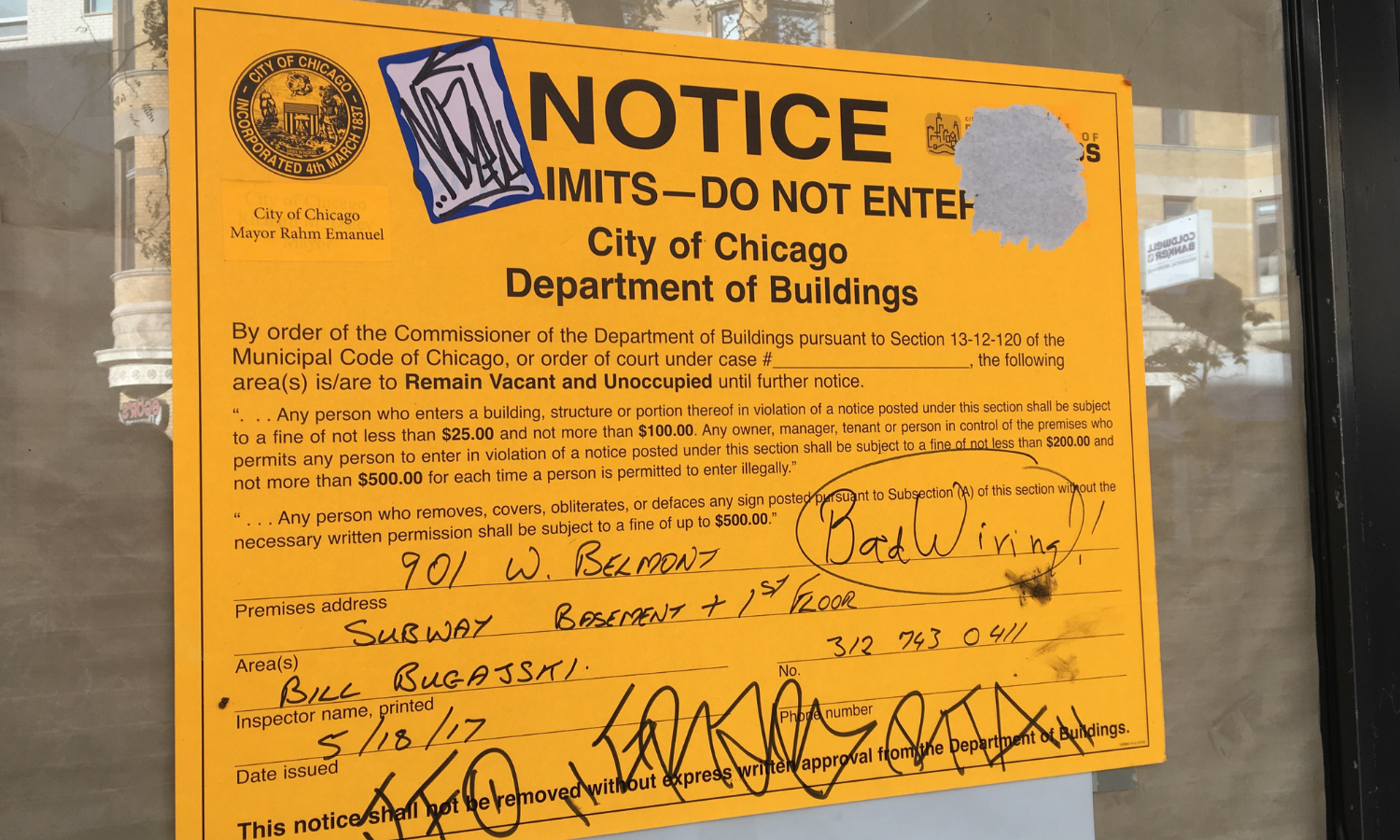
A Stop Work Order is a formal notice from a city, county, or state agency that requires all construction activity to pause until a specific issue is corrected. Picture a project where crews are working normally, then an inspector arrives and instructs everyone to stop immediately. That is the effect of a construction Stop Work Order. It carries legal authority because it is used to enforce permits, safety standards, insurance requirements, and other regulations that keep workers and property owners protected. When an order is issued, the project cannot move forward until the violation is resolved.
Why Are Stop Work Orders Issued
Stop Work Orders are issued when a project is not meeting the requirements that keep construction sites safe, legal, and compliant. The most common reason is missing permits, which means work has started without the approvals the jurisdiction needs to review. Another frequent issue is the absence of workers’ compensation insurance. When a contractor cannot show proof of proper coverage, the state can shut the project down on the spot.
Safety problems are another trigger. If an inspector sees conditions that put workers or the public at risk, a Stop Work Order can be issued immediately. Building code violations, zoning issues, or any work that goes beyond what was approved in the plans can also lead to a shutdown. In more serious cases, authorities will issue a Stop Work Order if they discover unlicensed contracting or signs of fraud.
These issues may vary by jurisdiction, but they all share the same purpose. A Stop Work Order is the tool agencies use to pause construction when something important needs to be corrected before the project can continue.
Who Has the Authority to Issue a Stop Work Order
A Stop Work Order can only be issued by agencies responsible for enforcing construction, safety, and licensing rules. At the state level, licensing boards have the authority to shut down a project when a contractor is missing required workers’ compensation insurance or is operating outside the scope of their license. Local jurisdictions, including city and county departments, can issue a Stop Work Order if work is being done without permits or if the project violates local building codes.
Building inspectors play a major role because they are the ones who visit job sites, review conditions, and determine whether the work meets code and safety standards. In some situations, safety agencies such as OSHA can issue orders when they find hazards that put workers at risk. Each of these entities has different responsibilities, but they share one purpose. They step in and halt construction when a project is not meeting the regulations that protect people and property.
What Happens When a Stop Work Order Is Issued
When a Stop Work Order is issued, everything on the job site comes to a complete halt. Crews must stop working immediately, leave the site, and wait for clearance before returning. No labor can continue, and no materials or equipment can be delivered. Inspections are also paused until the violation is corrected and the jurisdiction confirms the project is back in compliance.
Ignoring a Stop Work Order is a serious mistake. Penalties can include steep fines, legal action, or the suspension of a contractor’s license. In some cases, jurisdictions can place liens on the property if the violations are not resolved. A Stop Work Order is not a suggestion. It is a legal requirement that must be addressed before any work can begin again.
How to Lift a Stop Work Order
Lifting a Stop Work Order starts with understanding exactly why it was issued. The first step is to identify the violation listed on the notice so you know what needs to be corrected. Once the issue is clear, the contractor must fix it. This often involves securing missing permits, updating insurance, submitting engineering documents, or providing any paperwork the jurisdiction requires.
If fines were assessed, they need to be paid before the project can move forward. After the violation is corrected and all fees are settled, the next step is to request a re-inspection. An inspector will return to the site to confirm that the problem has been resolved. When the jurisdiction signs off and lifts the order, work can resume. The process varies by location, but every case follows the same principle. The issue must be fixed before construction can continue.
What Property Owners Should Do
Property owners can avoid most Stop Work Orders by taking a few simple steps before any work begins. Start by verifying that your contractor has an active license, current insurance, and valid workers’ compensation coverage. These documents should be easy for a reputable contractor to provide. Before anyone sets foot on the job site, confirm that all required permits have been pulled and approved. This protects you from delays and ensures the project is being built to code.
It also helps to keep clear records. Save contracts, insurance certificates, permit numbers, and communication with your contractor. Good documentation makes it easier to resolve any questions that come up during the project. Pay attention to red flags as well. Contractors who avoid paperwork, resist pulling permits, or rush to begin work without documentation often create problems later.
Taking these precautions will significantly reduce the risk of receiving a Stop Work Order and help your project move forward without unnecessary interruptions.
Prevention Checklist
A proactive approach can prevent most Stop Work Orders before they happen. Use this simple checklist before starting any construction project.
Pre-construction compliance
• Confirm the scope of work and verify that it aligns with local regulations
• Review zoning requirements and any restrictions that apply to the property
Permit requirements
• Identify every permit needed for the project
• Verify that all permits are pulled and approved before work begins
• Keep permit documents accessible on site
Contractor credential verification
• Check that your contractor holds an active license
• Request proof of general liability insurance
• Confirm workers’ compensation coverage for all labor on site
Safety checks
• Ensure the contractor follows basic job site safety practices
• Review any potential hazards before crews start working
Engineering and plan accuracy
• Confirm that drawings and engineering documents match the actual work being performed
• Make sure any revisions are approved by the jurisdiction before implementation
Following this checklist helps keep your project compliant and reduces the chance of running into delays or costly shutdowns.
How Permit Pushers Helps Resolve Stop Work Orders
Permit Pushers steps in quickly when a project is shut down and guides you through the process of getting the order lifted. The first step is a rapid review of the violation so you know exactly what the jurisdiction is asking for. From there, the team handles the heavy lifting. They pull any missing permits, organize the documentation the inspector needs, and coordinate with state licensing boards or local departments to make sure the issue is addressed correctly.
If engineering or updated site plans are required, Permit Pushers can source those as well. They manage communication with inspectors and keep the process moving so you are not left trying to track down answers on your own. The goal is simple. Resolve the violation, clear the Stop Work Order, and get your project back on schedule as fast as possible.
Frequently Asked Questions
-
No. All construction activity must stop immediately.
Crews cannot return to the site, deliveries cannot be made, and inspections will not move forward until the violation is resolved and the order is lifted. -
The timeline depends on the issue. Some orders can be cleared within a day if the missing documents are easy to provide.
Others take longer if permits, engineering, or safety corrections are involved.
The fastest results come from resolving the exact violation promptly and requesting a re-inspection right away. -
Fines vary by jurisdiction. Some cities charge a flat penalty, while others base the fee on the severity of the violation or the size of the project.
Fines often increase if the contractor continues to work after the order is issued. -
Yes. Although contractors are usually responsible for compliance, homeowners can face penalties if they knowingly allow work to continue without permits or ignore an active Stop Work Order.
-
In most cases, the contractor is responsible for correcting the violation.
However, the property owner often shares responsibility because the work is taking place on their property.
Both parties need to ensure the issue is resolved correctly so the order can be lifted. -
If the violation involves missing permits, then yes. The correct permit must be pulled and approved before the order can be removed.
Other violations may require updated insurance, engineering documents, or safety corrections instead.
The jurisdiction will list the requirement on the notice.
Get Help Clearing a Stop Work Order
If your project has been shut down, the fastest way to move forward is to resolve the violation and get the order lifted as quickly as possible. Permit Pushers can guide you through the process, pull any missing permits, coordinate with the jurisdiction, and handle the documentation inspectors need to approve the site.
Use our contact form to get started today. We will help you get compliant and get your project back to work without unnecessary delays.